Sedona’s red rocks do the heavy lifting — your job is just to pick how you want to experience them. Hike them, ride over them in a jeep, watch the sunset paint them, or sit with a glass of Verde Valley wine and stare. This 2026 guide covers the essential Sedona experiences with the practical details that actually matter: which trailhead, what it costs, and how the free shuttle changes your plan.
The 10 Essentials (if you’re short on time)
- Hike Cathedral Rock at sunrise — the iconic trail and a vortex site.
- Walk out on Devil’s Bridge — the famous natural arch.
- Ride a Pink Jeep down Broken Arrow’s Road of No Return.
- Watch sunset from Airport Mesa — 360-degree views, minimal hiking.
- Drive the Red Rock Scenic Byway (SR 179) — pullouts at Bell Rock Vista.
- Visit the Chapel of the Holy Cross — built into the red rocks, free.
- Wander Tlaquepaque — galleries and courtyards under sycamores.
- Stargaze — Sedona is an International Dark Sky Community.
- Taste wine in Page Springs — 20 minutes south along Oak Creek.
- Day-trip option: Grand Canyon’s South Rim is under 2 hours away.
Hiking the Red Rocks: Trail-by-Trail
Hiking is the number-one reason people come to Sedona. Trails range from easy paved paths to steep scrambles, and most sit inside Coconino National Forest. Distances below are round-trip approximations — always check current trail conditions with the Red Rock Ranger District before heading out.
| Trail | Distance (RT) | Difficulty | Time | Best for |
| Cathedral Rock | ~1.2 mi | Moderate–hard (scramble at top) | 1–1.5 hrs | Sunrise + vortex |
| Devil’s Bridge | ~4.2 mi via Dry Creek TH (~2 mi via Mescal TH) | Moderate | 2–3 hrs | The famous photo |
| Bell Rock Pathway | ~3.5 mi | Easy | 1.5–2 hrs | Families, sunset |
| Boynton Canyon | ~6.1 mi | Moderate | 3–4 hrs | Quiet beauty, shade |
| Airport Mesa Loop | ~3.2 mi | Easy–moderate | 1.5 hrs | Sunset, vortex |
| West Fork (Oak Creek) | ~6.5 mi | Easy | 3–4 hrs | Fall colors, creek |
| Soldier Pass | ~4.5 mi | Moderate | 2.5–3.5 hrs | Pools + sinkhole |
Cathedral Rock Trail — the signature Sedona hike and a vortex site. Short but steep, with a rock scramble near the top and a saddle with sweeping views. Go at sunrise to beat crowds and heat. Trailhead parking is closed during shuttle hours — take the free Sedona Shuttle.
Devil’s Bridge Trail — the natural sandstone arch everyone photographs. From the Dry Creek trailhead it’s about 4.2 miles round trip; the Mescal trailhead cuts it roughly in half. The final climb onto the bridge is steep but short. Start before 8am in peak season or expect a line for the photo.
Bell Rock Pathway — the easiest classic. A wide, gentle trail with options to scramble partway up Bell Rock (also a vortex site). Excellent for families, and the west side catches great sunset light.
Boynton Canyon Trail — shadier and quieter than the big-name trails, ending in a dramatic box canyon. The Boynton Vista spur passes a vortex site. One of the prettiest hikes in the area with a fraction of the crowds.
Airport Mesa — a vortex site minutes from town with 360-degree views. The loop is easy; even just the overlook by the parking area delivers at sunset.
West Fork of Oak Creek — widely called Arizona’s best fall-colors hike. An easy, mostly shaded walk along the creek with red rock walls towering above. Magical in late October.
Soldier Pass Trail — passes the Seven Sacred Pools and Devil’s Kitchen sinkhole en route to Brins Mesa. The trailhead lot is tiny, so the shuttle (Thu–Sun) is the smart move here.
Sedona Shuttle & Red Rock Pass: Read This Before You Drive
This is the practical section most guides bury — and it’s the one that ruins trips when ignored.
Sedona Shuttle (free): The city’s free shuttle serves five busy trailheads — Cathedral Rock, Little Horse, Soldier Pass, Dry Creek Vista, and Mescal — from park-and-ride lots (SR-179, Upper Red Rock Loop Road, Posse Grounds). Normal schedule: Thursday through Sunday, 7:00am–5:30pm; during peak periods (e.g., spring break) it runs seven days a week. When the shuttle is running, the Cathedral Rock and Soldier Pass trailhead lots are closed to private cars — you must ride the shuttle. No Red Rock Pass needed when you shuttle in (you’re not parking at the trailhead). No dogs allowed; buses have bike racks. A separate on-demand service (Sedona Shuttle Connect) costs about $2 per ride. Schedules change seasonally — check sedonashuttle.com before your trip.
Red Rock Pass: Required when you park at trailheads and recreation sites on national forest land around Sedona. Current prices: $5 per day, $15 per week, $20 per year; an America the Beautiful (national parks) annual pass is also accepted. Display it on your dashboard or risk a citation. A pass is not required if you only stop briefly for a photo at a vista pullout.
8 Desert Hiking Tips (from people who learned the hard way)
- Pick the right trail for the day’s heat. Hike early or late on hot days; choose shaded creek trails (West Fork, Boynton) for midday. In cooler months, mid-morning to mid-afternoon is prime.
- Carry more water than feels necessary. The rule of thumb is about a liter per hour, and more above 85°F. Sedona’s dry air dehydrates you silently — headache and fatigue are the first warnings.
- Bring food. Trail mix, bars, fruit — you’ll burn more than you expect on slickrock climbs.
- Sun protection is non-negotiable. Wide-brim hat, sunglasses, sunscreen, and broken-in shoes with grippy soles. Red rock is slicker than it looks.
- Tell someone your plan. Trail name, start time, expected return. Carry a charged phone and a basic first-aid kit.
- Watch where you put hands and feet. Rattlesnakes live here, especially in brush and rocky areas. They usually avoid you — give them the same courtesy.
- Stay on the trail. The desert’s cryptobiotic soil crust is alive and extremely fragile; one footstep off-trail damages decades of growth. Pack out everything, including trash.
- Check conditions after rain. Trails get slippery and flash floods are real in canyon country. When in doubt, ask at the Red Rock Ranger District or visitor center.
Take a Jeep Tour
If you’d rather ride than hike, jeep tour is the classic Sedona splurge. Open-air jeeps climb terrain you’d never attempt in a rental car, and guides double as geologists and local historians.
Pink Jeep Tours is the big name — their Broken Arrow tour is the signature ride, dropping down a slickrock formation with 4×4-only access. Book days ahead in spring and fall; tours sell out. Safari Jeep Tours and A Day in the West are strong alternatives, often with smaller groups and lower prices. Expect roughly 1.5–2 hours for a standard scenic tour; longer combos (ruins, sunset, private tours) cost more.
Our picks: first-timers wanting the full thrill → Broken Arrow with Pink Jeep. Families with small kids → a milder scenic rim tour. Photographers → a sunset tour, when the rocks glow red. Book morning slots for the best light and smallest crowds.

Drive the Scenic Routes
You don’t have to hike for Sedona’s best views. The Red Rock Scenic Byway (State Route 179) from the Village of Oak Creek into Sedona is a designated scenic byway — pullouts at Bell Rock Vista and the Chapel of the Holy Cross area deliver postcard views from the car.
Airport Road climbs to the Airport Mesa overlook — arrive 30 minutes before sunset and watch the whole valley change color. Red Rock Loop Road and Dry Creek Road run quieter routes past Boynton Canyon into red rock country with far fewer cars.
Visit the Vortex Sites
Sedona’s famous energy vortexes draw spiritual seekers from around the world. Believers say these spots radiate concentrated earth energy; skeptics get world-class viewpoints either way. The four main sites: Airport Mesa (easiest access, great sunset), Cathedral Rock (combine with the hike), Bell Rock (easy stroll), and Boynton Canyon (quietest).
Want a guided experience? Local operators run vortex tours, meditation sess
ions, and spiritual retreats — check Viator and GetYourGuide for bookable options with reviews.
Stargaze Under Dark Skies
Sedona is a designated International Dark Sky Community, and on a clear moonless night the Milky Way is visible to the naked eye from many spots in town. Airport Mesa and the pullouts along Dry Creek Road are easy after-dark options. Local companies run guided stargazing tours with telescopes — an ideal non-hiking evening. Check the moon phase before you go; a new moon makes all the difference.
Ride a Hot Air Balloon at Sunrise
Seeing the red rocks from a balloon at dawn, with first light hitting the formations, is a once-in-a-trip experience. Flights launch early morning, weather permitting, and typically include a post-flight toast. Baskets are small and spring/fall weekends book out far ahead — reserve early.

Taste Wine in the Verde Valley
Sedona sits next to Arizona wine country. The Page Springs area, about 20 minutes south along Oak Creek, clusters several tasting rooms in a lovely creekside setting. Cottonwood and the old mining town of Jerome — both easy half-day trips — add more wineries, tasting rooms, and hillside-town atmosphere. Guided wine tours from Sedona solve the designated-driver question.
Explore Tlaquepaque, Uptown & the Chapel
Tlaquepaque Arts & Shopping Village is Sedona’s prettiest man-made attraction — a Spanish-colonial-style village of galleries, shops, and restaurants under sycamore trees. Uptown Sedona (the main strip) is touristy but fun for souvenirs and tour-booking offices. The Chapel of the Holy Cross, a striking modernist chapel built into the red rocks with panoramic valley views, is free and takes about 30 minutes.
More Outdoor Adventures
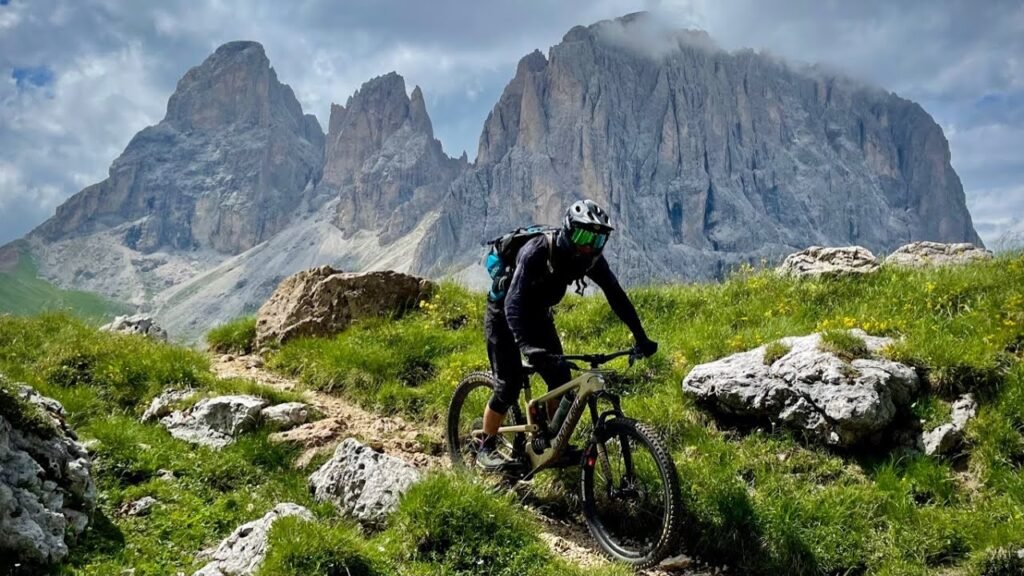
- Mountain biking — Sedona is a legit riding destination; rent in town and try the Bell Rock or Slim Shady trails.
- Trail running — same trails, earlier start. Mescal and Chuckwagon loops are local favorites.
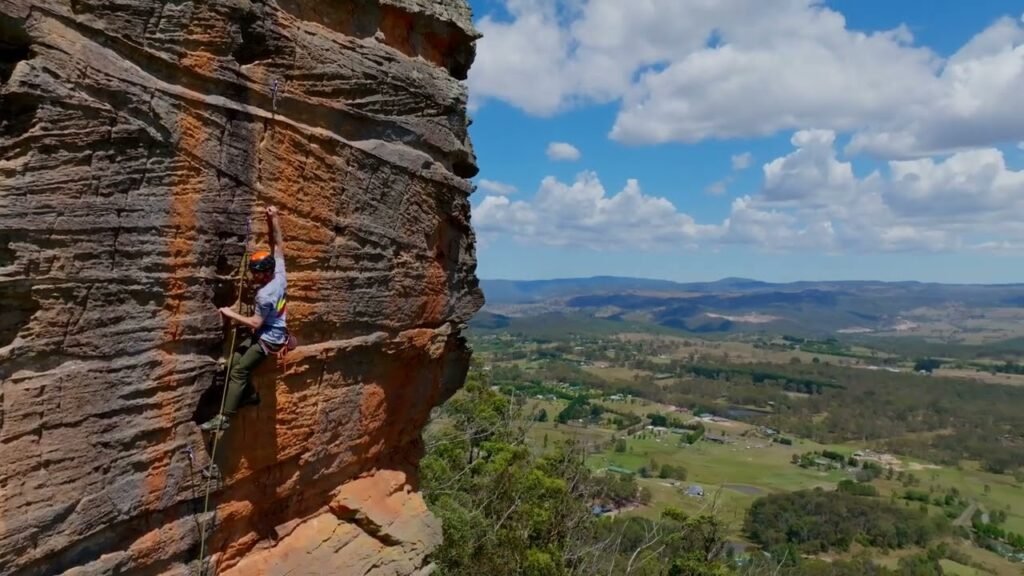
- Rock climbing & canyoneering — guided trips run through local outfitters; book ahead in peak season.
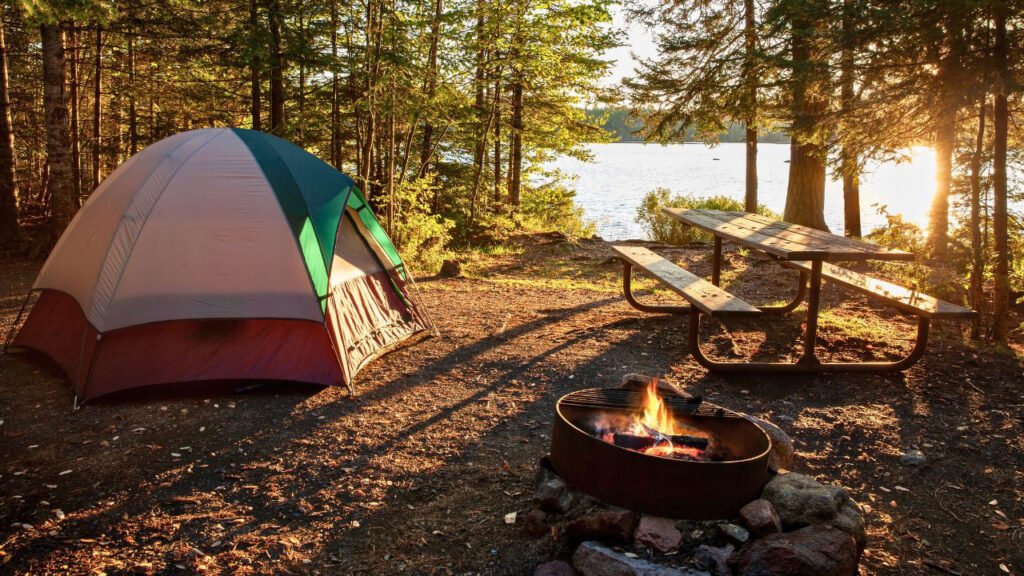
- Camping — dispersed camping is available in Coconino National Forest (Forest Road 525 is the well-known area); reserve developed campgrounds well ahead in spring and fall.

Practical Tips for Visiting Sedona in 2026
- Best time to visit: March–May and September–November. Summer brings heat and afternoon monsoon storms (July–September); winter is quiet and mild, occasionally snowy at elevation.
- Book ahead: jeep tours, balloon rides, and good hotels sell out weeks ahead in spring and fall. Sedona is not a spontaneous-weekend town in peak season.
- Day trip from Phoenix? Doable — about 2 hours each way — but you’ll only scratch the surface. Two days covers the highlights; three is the sweet spot.
- Altitude and water: at ~4,350 feet with desert dryness, dehydration sneaks up fast. Carry more water than feels necessary on every outing.
- Keep Sedona unspoiled: stay on trails, pack out all trash, respect quiet hours in residential areas near trailheads. The red rocks were here long before us — leave them that way.
Frequently Asked Questions
How many days do you need in Sedona?
Three days is the sweet spot: one day for hiking, one for a jeep tour plus the scenic byway, and one for a day trip (Grand Canyon, Jerome, or wine tasting). Two days covers the highlights if you’re efficient; one day only works as a sampler.
Do I need a Red Rock Pass for hiking in Sedona?
Yes, at most trailheads in Coconino National Forest: $5 per day, $15 per week, $20 per year (an America the Beautiful pass also works). If you ride the free Sedona Shuttle to the trailhead instead of parking there, no pass is needed.
What is the Sedona Shuttle and do I have to use it?
The Sedona Shuttle is a free shuttle running Thursday through Sunday (7am–5:30pm; daily in peak season) from park-and-ride lots to Cathedral Rock, Little Horse, Soldier Pass, Dry Creek Vista, and Mescal trailheads. On operating days, the Cathedral Rock and Soldier Pass lots are closed to private cars — so yes, on those days the shuttle is how you get there.
When is the best month to visit Sedona?
April and October are the consensus picks: warm days, cool nights, trails at their best. October adds fall colors at West Fork. March and November are excellent with fewer crowds.
Which Sedona hike should I do first?
Cathedral Rock for the iconic experience (go at sunrise), Devil’s Bridge for the famous photo, Bell Rock for an easy family outing. Only have time for one sunset? Airport Mesa.
Are the Sedona vortexes real?
Depends who you ask. Believers report energy at Airport Mesa, Cathedral Rock, Bell Rock, and Boynton Canyon. Skeptics get world-class viewpoints either way — nobody leaves disappointed.
Is Sedona expensive?
It can be. Hotels in spring and fall run pricey and tours add up. Save by visiting midweek, staying in the Village of Oak Creek or Cottonwood, cooking some meals — and remember the best attraction, the trails, costs a $5 pass.
Can I visit Sedona in winter?
Absolutely — winter is the quiet season, with mild days, empty trails, and lower hotel rates. Snow is possible but usually light and melts fast. Some tours run reduced schedules, so book ahead.
Planning the rest of your trip? Our Sedona itineraries and where-to-stay guide are coming next — bookmark this page.